

In today's world, fostering social skills is essential for everyone, including adults with intellectual disabilities. Developing these skills can lead to increased independence, improved quality of life, and greater community inclusion. This post explores practical strategies and approaches to encourage social skills in intellectually disabled adults, promoting a more connected and fulfilling life.
Understanding the Importance of Social Skills
Social skills encompass a wide range of abilities, including communication, empathy, cooperation, and conflict resolution. For adults with intellectual disabilities, mastering these skills can unlock opportunities for employment, independent living, and meaningful relationships. Social interactions enhance self-esteem and reduce feelings of isolation, contributing to overall well-being. It's important for care homes for adults and assisted living for disabled adults to prioritize these skills.

Creating Social Opportunities
One of the most effective ways to encourage social skills is by creating opportunities for interaction. This can be achieved through:
Group Activities: Organize group outings, such as visiting local parks, museums, or community events. These activities provide a natural setting for practicing social skills and making new friends.
Social Clubs: Establish social clubs centered around shared interests, such as book clubs, movie nights, or hobby groups. These clubs offer a structured environment for adults with disabilities to connect with peers and engage in meaningful conversations.
Volunteer Work: Encourage participation in volunteer activities that align with individual interests and abilities. Volunteering provides a sense of purpose and allows adults with disabilities to contribute to their community while interacting with others.
Teaching Social Skills
Explicit instruction and modeling can be invaluable in teaching social skills. Consider the following strategies:
Role-Playing: Use role-playing scenarios to practice specific social skills, such as initiating conversations, asking for help, or resolving conflicts. Provide constructive feedback and positive reinforcement to build confidence.
Social Stories: Utilize social stories to illustrate appropriate social behaviors in various situations. Social stories can help adults with intellectual disabilities understand social cues and expectations.
Visual Aids: Employ visual aids, such as social scripts or cue cards, to prompt appropriate responses during social interactions. Visual aids can serve as a helpful reminder and reduce anxiety.
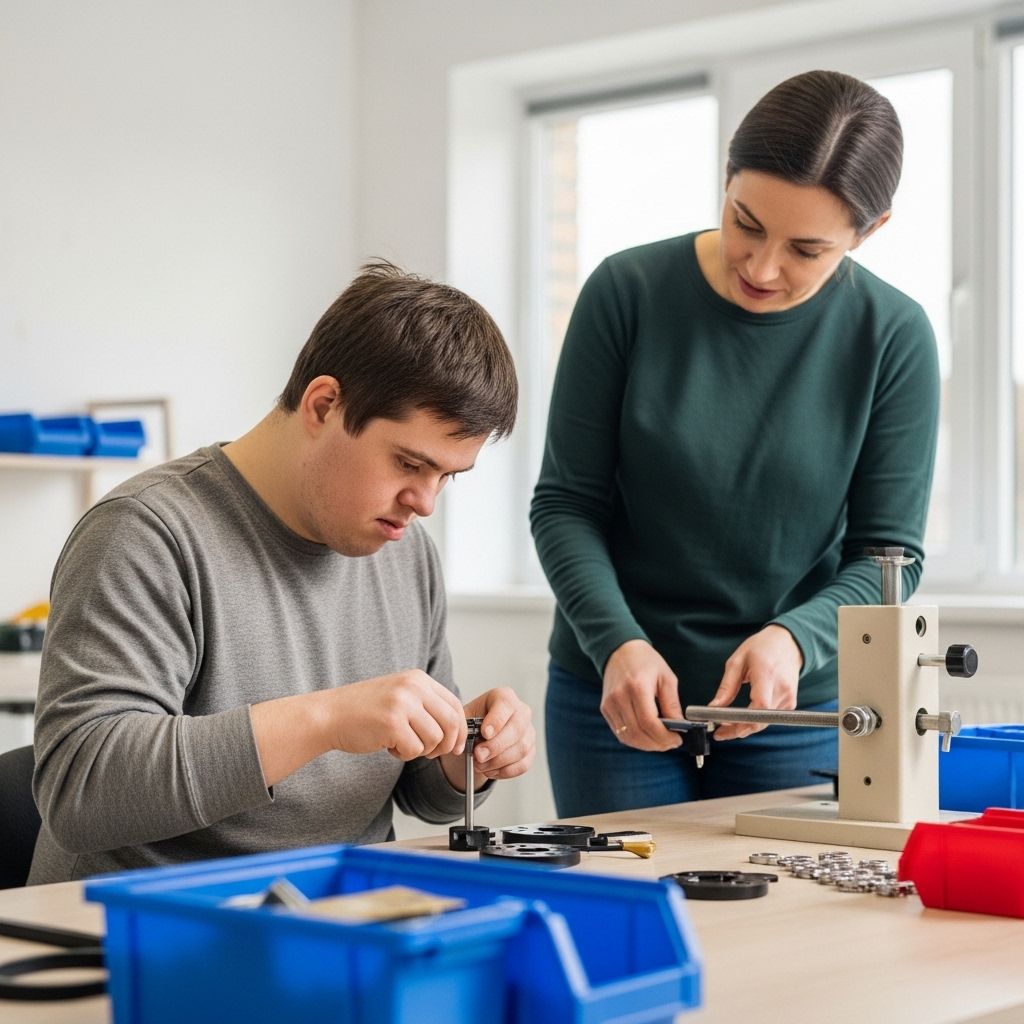
Supportive Living Services
Supportive living services play a crucial role in helping adults with disabilities develop and maintain social skills. These services can provide individualized support, including:
Social Skills Training: Offer structured social skills training programs that address specific areas of need, such as communication, assertiveness, and problem-solving.
Mentoring: Pair adults with intellectual disabilities with mentors who can provide guidance, encouragement, and social support. Mentors can serve as role models and help individuals navigate social situations.
Community Integration: Facilitate community integration by connecting adults with disabilities to local resources and opportunities. This may include vocational training, recreational programs, and social events.
Social growth doesn't happen in a vacuum—it thrives in a community. At Excellent Care Inc., we go beyond simply teaching skills; we weave social opportunities into the fabric of our daily residential life. From shared meals to group activities, our supportive living services provide the safe, encouraging environment adults with intellectual disabilities need to build meaningful connections. We don't just offer housing; we offer a place to belong.
Ready to find a community where your loved one is truly celebrated? Contact Excellent Care Inc. today to tour our homes and see how we foster friendship and independence every day.