
Creating a safe and supportive home environment is paramount for adults with disabilities. It's about fostering independence, ensuring well-being, and promoting a sense of belonging. This post explores key aspects of creating such an environment, focusing on practical considerations and supportive strategies.
Understanding Individual Needs
Every individual has unique needs and preferences. When creating a safe home, start by understanding the specific requirements of the person you're supporting. Consider their physical abilities, cognitive functioning, sensory sensitivities, and any medical conditions. This understanding will inform every decision, from the layout of the home to the assistive technologies you implement.

Home Modifications for Safety and Accessibility
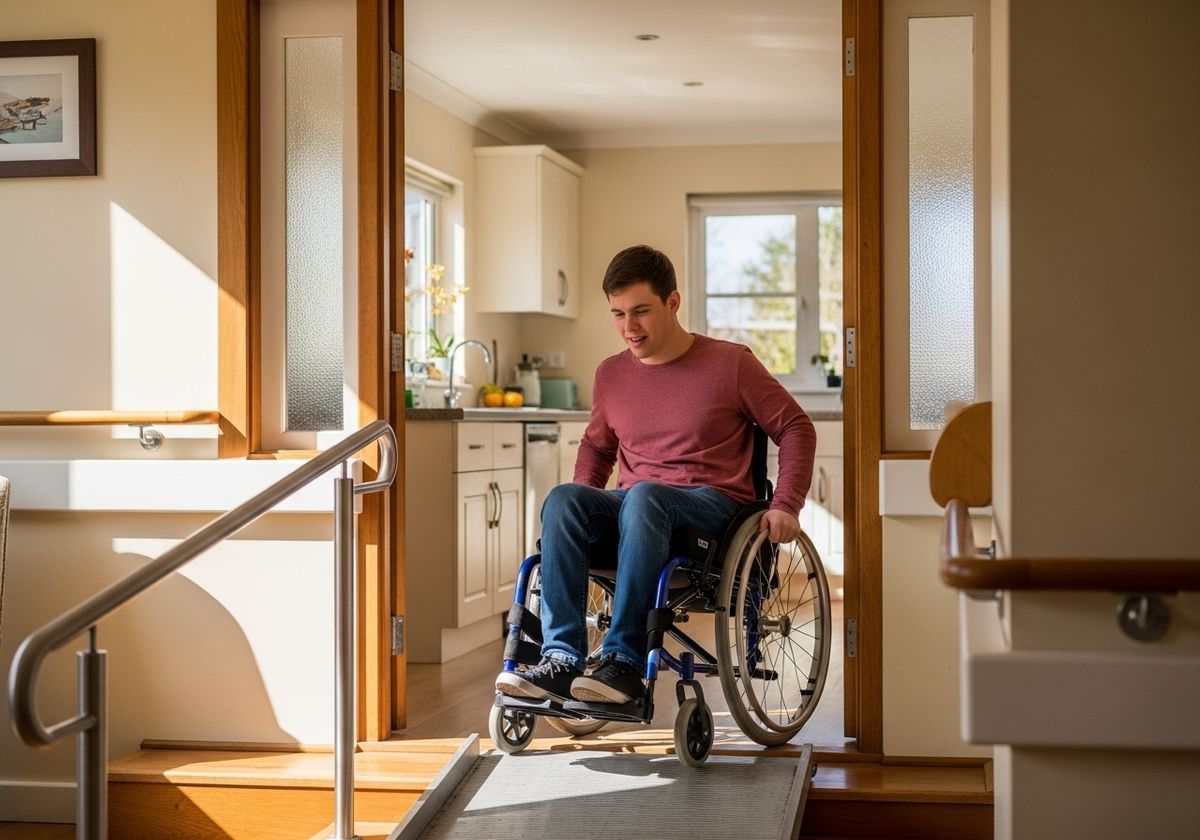
Physical modifications can significantly enhance safety and accessibility. Common modifications include:
Ramps and wider doorways: To accommodate wheelchairs and walkers.
Grab bars in bathrooms: To prevent falls.
Adjustable countertops and sinks: To enable comfortable use for individuals of varying heights.
Non-slip flooring: To reduce the risk of slips and falls.
Visual and tactile cues: To aid navigation for individuals with visual impairments.
Assistive Technology
Assistive technology can play a crucial role in promoting independence and safety. Examples include:
Voice-activated devices: To control lights, appliances, and other home systems.
Medication reminders: To ensure timely medication management.
Personal emergency response systems (PERS): To provide immediate assistance in case of falls or other emergencies.
Adaptive switches: To enable individuals with limited mobility to control electronic devices.
Creating a Supportive Social Environment
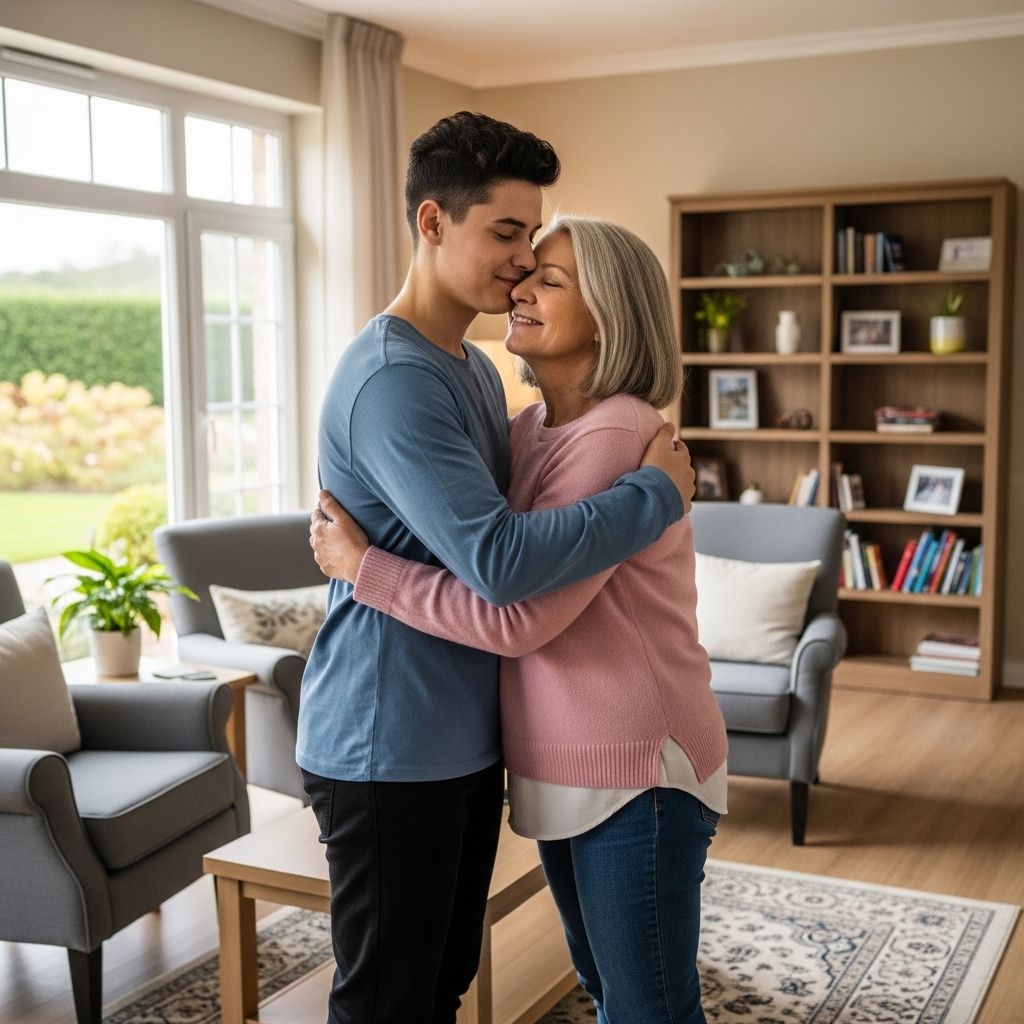
Safety extends beyond physical well-being. A supportive social environment is equally important. Encourage social interaction, provide opportunities for meaningful activities, and foster a sense of community. This can involve:
Regular visits from friends and family.
Participation in community events and activities.
Support groups and peer mentoring programs.
Opportunities for volunteering and employment.
The Importance of Professional Support
While creating a safe home environment is achievable, professional support can be invaluable. Occupational therapists, physical therapists, and other healthcare professionals can provide expert guidance on home modifications, assistive technology, and supportive strategies. They can also help assess individual needs and develop personalized care plans.
Creating a truly safe and supportive home requires more than just physical modifications; it demands constant vigilance and a deep understanding of individual needs. You shouldn't have to manage these complexities alone. At Excellent Care Inc., we specialize in providing top-tier care homes for adults, blending rigorous safety protocols with a warm, family-like atmosphere. Our supportive living services are designed to let your loved one explore their independence while you rest easy knowing they are protected.